Dental Clinics Abroad
My Dentist Is in Antalya. Has Been for Almost 20 Years.
Dental tourism has exploded. The options are overwhelming and the promises are big. I have been going to the same dentist in Antalya for almost 20 years – not as a consultant, but as a patient. I have saved several thousand euros doing so. That is a different kind of knowledge.
Why I Can Tell You More Than a Review Platform
I wrote my master’s thesis on dental clinics in Eastern Europe. I have visited clinics in Asia, Turkey and beyond. And I have learned one thing that no website or Google review can tell you: you have to see a clinic in person before you can recommend it.
Reviews can be fake. Star ratings change. The dentist who built a clinic’s reputation may have moved on. The coordinator who spoke your language may no longer be there. Medical tourism is dynamic – things change fast, and what was true two years ago may not be true today.
The clinic I go to myself is in Turkey. I have been a patient there for years. I know the team, I know the quality, and I know what the experience actually feels like. That is what I share in a consultation.
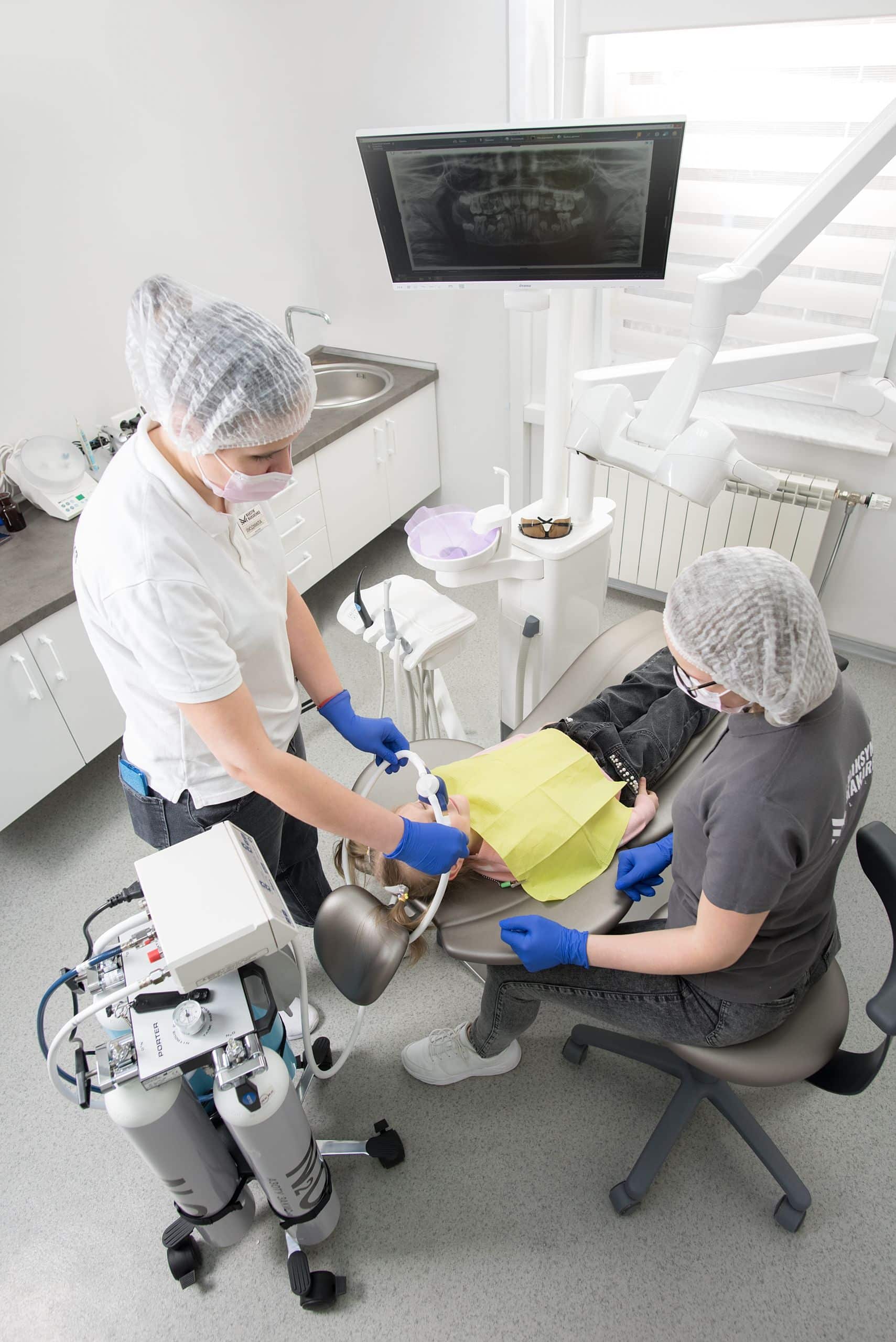
Why Dental Treatment Abroad Makes Sense
The Cost Difference Is Real
A single dental implant in Switzerland costs at least 6,000 CHF. The same implant at a quality clinic in Turkey – with a German implant, screwed not glued, including the crown, cleaning and medication – costs up to 80 percent less. For patients who need multiple implants or extensive cosmetic work, the savings are substantial.
The lower cost is not a sign of lower quality. It reflects lower operating costs, lower labour costs, and a healthcare system structured differently from Western Europe. Many dentists working in Turkish clinics trained in Europe or the US and work with the same materials and brands.
What Has Changed in 20 Years
I have been following this market since I wrote my master’s thesis on dental clinics in Eastern Europe. I have visited clinics in Asia, Turkey and beyond. What I have learned is that the market is more dynamic than most people realise.
Clinics change. Dentists move. A clinic that was excellent three years ago may have been bought by a chain, lost its best staff, or changed its standards. Google reviews and star ratings do not reflect this. The only way to know a clinic is to visit it – and to keep visiting.
That is what I do. And it is what makes the difference between a recommendation based on real knowledge and one based on a website.
Dental Implants Abroad
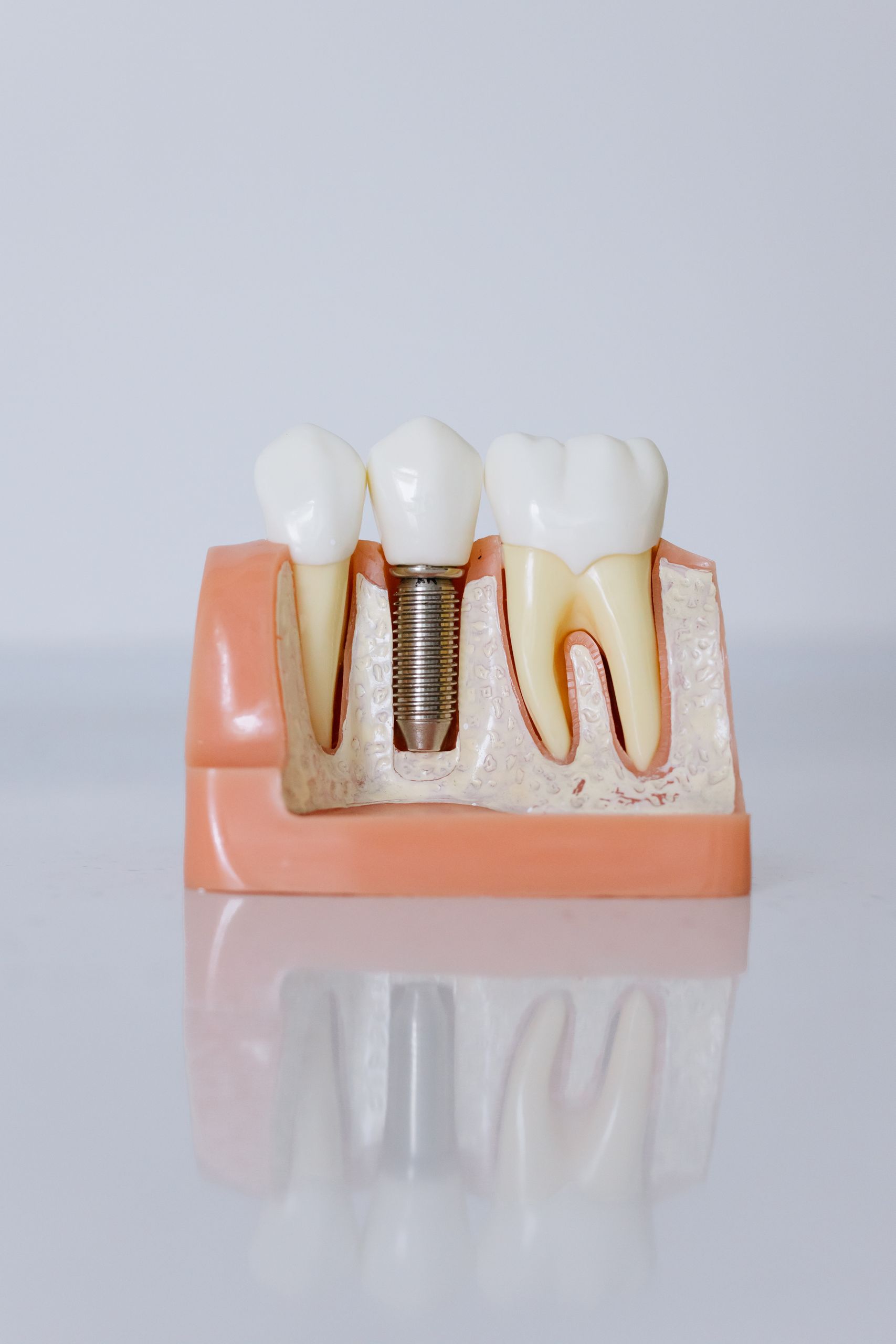
What a Dental Implant Actually Is
A dental implant replaces a missing tooth root with a titanium or zirconia post that is screwed directly into the jawbone. Once the implant has integrated – which takes several months – a crown is placed on top. The result is a permanent, stable tooth that looks and functions like a natural one.
The quality of the implant brand matters. European implant brands like Straumann, Camlog or Bredent are among the most reliable and widely used. A good clinic will tell you exactly which brand they use and why. Implants that are glued rather than screwed are a lower quality solution – worth asking about specifically before you commit.
Full Mouth Implants and All-On-4 / All-On-6
For patients who need a full arch of teeth replaced, All-On-4 and All-On-6 are established solutions. Four or six implants support a full set of teeth – upper, lower, or both. The cost saving compared to Switzerland is significant – full mouth treatment at home can reach prices that make treatment abroad not just attractive but necessary for most people.
Planning is everything for full mouth treatment. The number of visits required, the timeline between implant placement and final crown fitting, and what happens if adjustments are needed after you return home are all questions that need clear answers before you start. A clinic experienced with international patients will have a structured process for this.
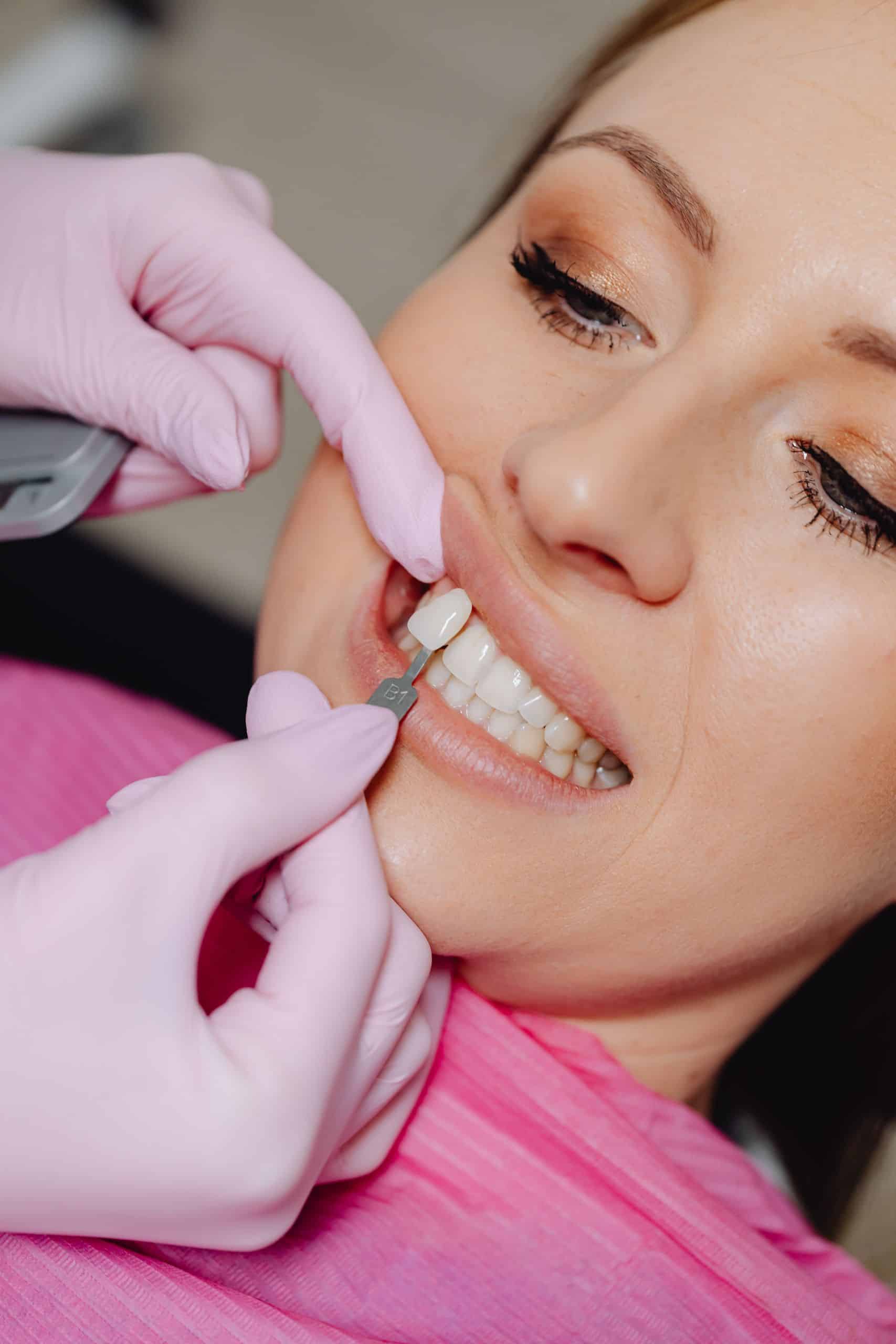
Veneers and Smile Design
Veneers and smile design have become increasingly popular in dental tourism – driven largely by social media and the visibility of cosmetic results. The results are visible, the transformation can be significant, and the cost difference compared to Switzerland or Western Europe is substantial. But veneers are also one of the treatments where the quality difference between clinics is most apparent.
What Veneers Are and Which Types Exist
A veneer is a thin shell placed over the front surface of a tooth to improve its appearance. The most common types are porcelain veneers, E-max veneers, and composite veneers. Porcelain and E-max are the most durable and natural-looking options. Composite veneers are cheaper but less long-lasting and more prone to staining.
Laminate veneers are an ultra-thin version that requires minimal preparation of the natural tooth – sometimes none at all. They are a good option for patients who want to preserve as much of their natural tooth structure as possible.
Smile design is the planning process that determines the shape, size and colour of the veneers before any preparation begins. A quality clinic does this digitally – you see the result before anything is done to your teeth. This step is not optional. Skipping it is one of the most common reasons patients are unhappy with the outcome.
What to Watch Out For
Veneers require removing a thin layer of enamel from the natural tooth in most cases. This is irreversible. It is worth understanding exactly how much preparation your dentist plans to do – and why. Minimal preparation is always preferable.
The number of veneers matters too. A full smile makeover typically involves 8 to 10 veneers on the upper teeth, sometimes more. The colour and shape need to be planned as a whole, not tooth by tooth. A dentist who rushes this process or skips the digital design step is worth approaching with caution.
Results last 10 to 15 years with proper care. Maintenance, hygiene, and avoiding habits like teeth grinding all affect longevity.
Zirconia Crowns

What Zirconia Crowns Are and When They Make Sense
A crown covers the entire visible part of a tooth. Zirconia is a ceramic material that is both strong and tooth-coloured, making it suitable for both front and back teeth. It is the current standard for full crowns in cosmetic and restorative dentistry.
Zirconia crowns are used when a tooth is too damaged for a veneer, after root canal treatment, or to replace an older metal or metal-ceramic crown. They are also used as the visible part of a dental implant. The result is a natural-looking, long-lasting restoration that is metal-free and well-tolerated by most patients.
Quality Differences and What to Ask
Not all zirconia is the same. Monolithic zirconia is milled from a single block and is very strong but can look slightly less natural than layered zirconia, which has a more translucent appearance closer to natural tooth enamel. For front teeth in particular, the aesthetic difference matters.
A quality clinic will discuss which type is appropriate for your specific situation – front or back teeth, how many crowns, and what the adjacent teeth look like. The fitting and bite adjustment are as important as the material. A crown that is not correctly fitted causes long-term problems. Ask about the adjustment process and what happens if something needs to be corrected after you return home.
Teeth Whitening Abroad
Teeth whitening is the simplest and least invasive cosmetic dental treatment. It is also one of the most misunderstood – with a wide range of products and methods on the market, and significant differences in what actually works and what is safe.
Professional Whitening vs. Over-the-Counter Products
Professional whitening done at a dental clinic uses higher concentrations of whitening agent than any product available over the counter. The result is faster, more even, and longer-lasting. In-clinic whitening typically takes one to two hours and produces results that would take weeks to achieve with home products – if at all.
The most common professional method uses a whitening gel activated by light or laser. Results vary depending on the natural colour of the teeth and the cause of the discolouration. Whitening works on natural tooth enamel but does not change the colour of crowns, veneers or composite fillings – worth knowing if you have existing dental work.
What to Expect and What the Limits Are
Whitening is not a permanent solution. Results typically last one to two years depending on diet, smoking and oral hygiene. Touch-up treatments are needed to maintain the result over time.
Not everyone is a suitable candidate. Teeth with significant sensitivity, enamel erosion, or existing restorations may not respond well. A short assessment before treatment identifies whether whitening is appropriate – and a quality clinic will tell you honestly if a different approach would give better results.
Whitening is often combined with other treatments as part of a broader dental visit abroad. Having it done at the start of a treatment plan – before crowns or veneers are fitted – allows the restorations to be matched to the new, lighter tooth colour.
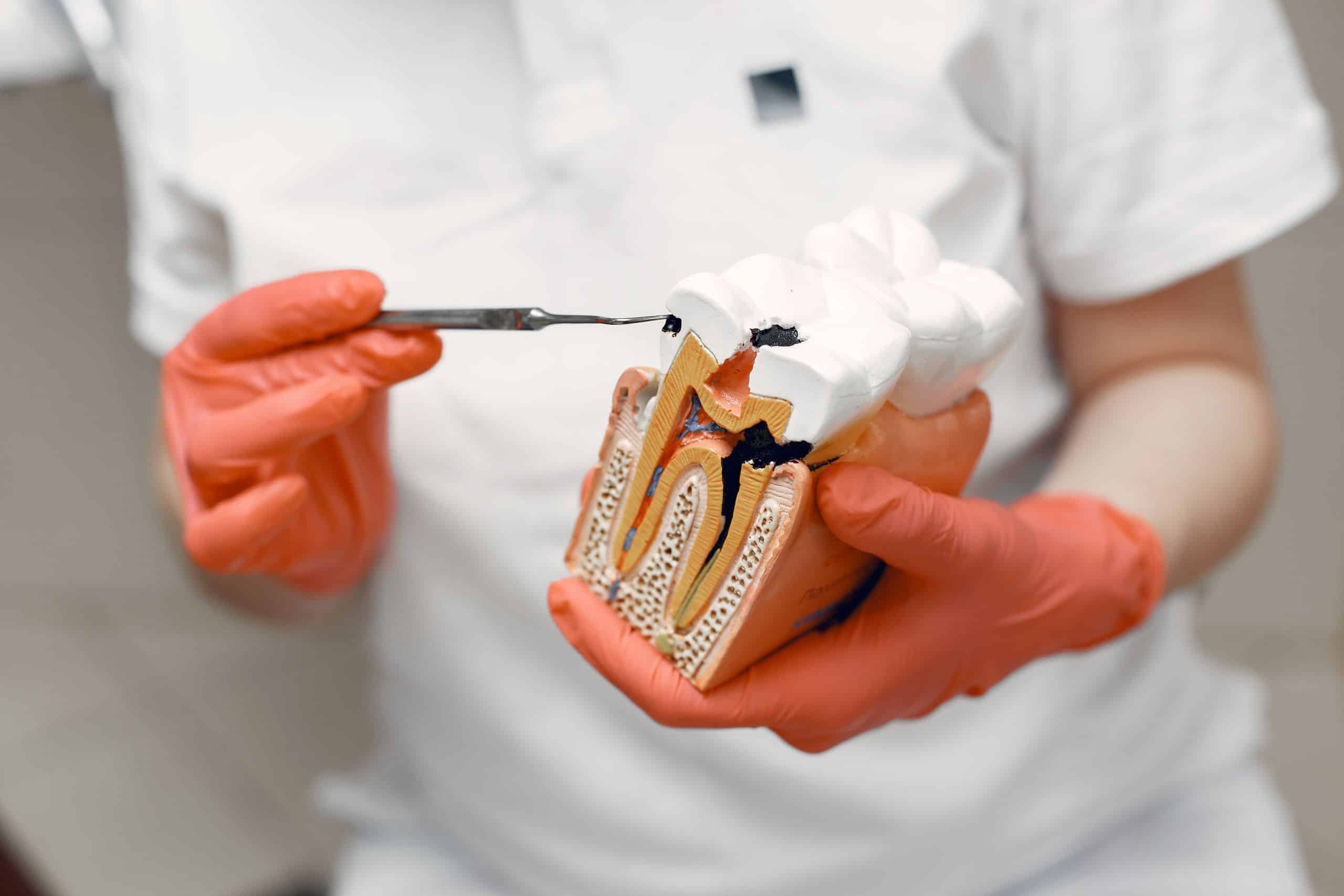
Root Canal Treatment Abroad
What Root Canal Treatment Actually Involves
A root canal is needed when the nerve inside a tooth becomes infected or inflamed – usually due to deep decay, a crack, or trauma. The procedure removes the infected tissue, cleans and shapes the root canals, and seals them to prevent reinfection. The tooth is then restored with a crown in most cases.
Done correctly with modern equipment, root canal treatment is no more uncomfortable than a standard filling. The procedure takes one to two appointments depending on the complexity. A quality clinic uses rotary instruments and digital imaging to ensure the canals are fully cleaned and sealed – steps that are not always standard at every clinic.
What to Watch Out For
Root canal treatment is one area where the quality of the procedure has long-term consequences. An incompletely treated canal can lead to reinfection months or years later – requiring retreatment or ultimately extraction. Asking about the equipment used and the success rate for root canal procedures is worth doing before you book.
Having a root canal done abroad as part of a longer treatment plan – for example before a crown is fitted – makes practical sense. The timing needs to be planned carefully to allow for healing between appointments. A clinic experienced with international patients will structure the treatment plan around your travel schedule and follow up remotely if needed.
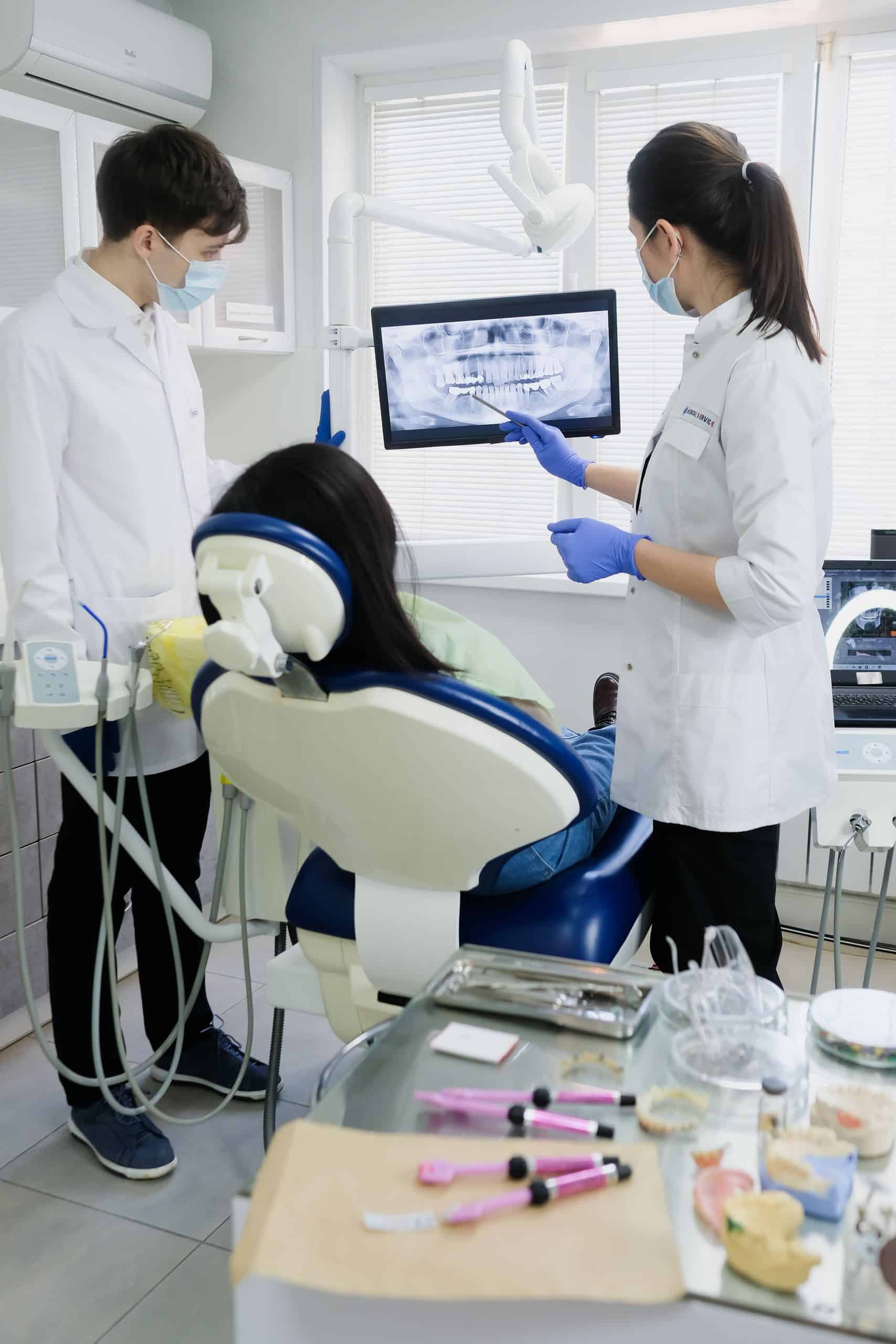
What a Quality Dental Clinic Looks Like
What to Look For Before You Book
A quality dental clinic invests in modern equipment – digital X-rays, 3D scanning, CAD/CAM technology for crown and veneer production, and proper sterilisation standards. These are not luxury features. They are the baseline for predictable, safe treatment.
Certifications matter but are not sufficient on their own. A clinic certified by the relevant health authority meets minimum standards. What goes beyond that is harder to verify from a distance – which is why personal knowledge of a clinic is worth more than any certificate.
The dentist’s training and experience with international patients is also relevant. A clinic that regularly treats patients from abroad has processes in place for remote consultations, treatment planning across multiple visits, and follow-up after you return home.
Why Reviews and Star Ratings Are Not Enough
Google reviews and star ratings give a partial picture at best. Reviews can be fake. The dentist who earned a clinic its reputation may have left. A clinic bought by a chain may have changed its standards without changing its online presence.
I have seen this happen repeatedly over 20 years. A clinic I visited in Asia looked nothing like its website. A highly rated clinic I knew well changed completely after a ownership change. The only reliable way to know a clinic is to visit it regularly – and to have a trusted contact on the ground who knows what is actually happening there.
Costs and What Is Included

What Affects the Price
The cost depends on the treatment, the materials used, and what the clinic includes in their package. Implants, crowns and veneers vary in price depending on the brand and quality of materials. A clinic using European implant brands like Straumann or Camlog will price differently from one using cheaper alternatives – and the difference in longevity justifies the cost.
Some clinics quote a base price and add costs for consultations, X-rays, medications and follow-up appointments later. Others include everything from the start. Always ask for a full written breakdown before agreeing to anything. A transparent clinic provides this without hesitation.
How to Compare Quotes Correctly
Comparing quotes from different clinics is only meaningful if you are comparing the same treatment, the same materials, and the same inclusions. A lower quote that excludes medications, temporary restorations or follow-up consultations may end up costing more in total.
Key questions to ask: which implant brand is used and is it screwed or glued, what type of zirconia is used for crowns, what is included in the veneer price, and what happens if something needs to be adjusted after you return home.
Getting quotes from at least two or three clinics and comparing them line by line is the approach I recommend. If you are not sure how to evaluate what you are looking at, that is exactly what a consultation is for.

The Procedure at Dental Clinics Abroad – Step by Step
From First Consultation to Final Result
The process starts with a digital consultation before you travel. X-rays and photos are sent to the clinic in advance, and a treatment plan with timeline and costs is prepared. This allows you to arrive with a clear plan rather than finding out what is needed on the day.
The first visit covers the preparation work – extractions if needed, implant placement, tooth preparation for crowns or veneers, and temporary restorations where applicable. For implants, the bone needs time to integrate before the final crown is placed – this typically takes three to six months, which means a second visit is required.
For veneers and crowns without implants, the full treatment can often be completed in one visit of five to seven days. Preparation, digital design, fitting of temporaries, and placement of the final restorations all happen within that window.
What Happens Between Visits
Temporary restorations protect the teeth between visits. They are not the final result and should be treated with care – avoiding hard foods and maintaining careful hygiene. Any discomfort or issues with the temporaries can usually be managed remotely with guidance from the clinic.
The final visit is for fitting the permanent restorations and making any adjustments needed. A quality clinic builds in time for this – small adjustments to the bite or appearance are normal and expected. Leaving enough time at the end of your trip for these adjustments is worth planning for.
Planning Your Dental Trip

How Long You Need and What the Timeline Looks Like
For veneers, crowns and whitening, one visit of five to seven days is usually sufficient. For implants, two visits are needed – the first for placement, the second three to six months later for the final crown. The second visit is shorter, often just two to three days.
Planning around a holiday makes the trip easier and more enjoyable. Many dental destinations offer good weather, easy accommodation and a relaxed pace that suits recovery well. Nobody needs to know why you are really there – a week abroad raises no questions.
Remote preparation before you travel saves time on arrival. Sending X-rays, photos and your dental history to the clinic in advance means the treatment plan is ready when you arrive and the first appointment is productive from the start.
Aftercare and Finding Support at Home
Good aftercare starts at the clinic – detailed instructions, medication, and direct contact with the team for questions after you return. A quality clinic is reachable after you go home and responds when something comes up.
What many people do not know is that local dentists at home can support you during and after treatment abroad. Not every dentist is willing – but many are, especially for routine checks, X-rays and minor adjustments. It is worth being open about where you had your treatment done. A dentist who refuses to see you because you went abroad is not the right dentist for you.
For implant patients in particular, having a local dentist who monitors the integration process between visits abroad is valuable. It adds a layer of oversight and means any issues are caught early.
Ready to Find Out What Dental Treatment Abroad Actually Costs?
Had a quote from your dentist at home that knocked you off your feet? Send it to me and I will get you a counter-offer from a clinic I know personally.
Not ready to commit yet? That is completely fine. Plan your next holiday in Turkey and combine it with a check-up or a first consultation. No pressure, no obligation – just a chance to see the clinic for yourself.
I have been going to the same dentist abroad for years. I know the team, I know the quality, and I know what the experience actually feels like. If you want honest guidance on whether treatment abroad makes sense for your situation, that is exactly what a consultation is for.
Not sure if a consultation is the right next step? We can get to know each other in a short, no-obligation 15-minute intro call first.