
Eye Laser Clinics Abroad. I Went to a Clinic in Turkey. They Told Me Not to Do It.
Not every clinic will tell you what you do not want to hear. Mine did. That is the kind of honesty I look for when I assess a clinic.
Why I Know This Market – and What Honest Guidance Looks Like
I visited my first eye clinic in Turkey over 20 years ago. I was short-sighted myself and curious about what was possible. What struck me was not just the technology – it was the honesty. The clinic assessed my eyes carefully and told me the timing was not right for my situation. They could have sold me a procedure. They did not.
That experience shaped how I think about medical tourism. Good clinics do not treat everyone. They assess, they advise, and sometimes they say no. That is exactly what you want from a clinic you trust with your eyes.
What also stayed with me was the level of technology I saw that day. Treatments that were either not yet available or completely unaffordable in Western Europe were already standard there. That gap has only grown since then.

Why Eye Laser Clinics Abroad
What Makes Turkey a Strong Destination for Eye Treatment
Turkish eye clinics have been treating international patients for decades. The combination of modern equipment, experienced specialists and significantly lower costs than Western Europe has made Turkey a destination that attracts patients from across Europe and beyond.
Clinics invest heavily in the latest laser systems and diagnostic equipment because international patients compare carefully before booking. The standard at quality clinics is high – and the pre-assessment process is thorough. A clinic that skips a proper pre-assessment before quoting a price is one to approach with caution.
What the Cost Difference Looks Like
Eye laser treatment at a quality clinic abroad costs a fraction of what the same procedure costs at home. The saving depends on the method – more advanced techniques like SMILE cost more than standard LASIK everywhere, but the relative difference between home and abroad remains significant across all methods.
What matters is understanding exactly what is included. A transparent clinic provides a full cost breakdown after a proper pre-assessment – not a headline price before they know anything about your eyes
LASIK Abroad

How LASIK Works
LASIK corrects vision by reshaping the cornea using an excimer laser. A thin flap is first created on the surface of the cornea – traditionally with a microkeratome blade. The laser then removes a precise amount of tissue underneath, and the flap is repositioned. The procedure takes around 15 minutes per eye and results are usually noticeable within 24 hours.
The creation of the corneal flap is what distinguishes LASIK from other methods. It allows for a fast recovery and minimal discomfort during and after the procedure. It also means the procedure is not suitable for patients with thin corneas or certain corneal conditions.
Who LASIK Is Suitable For
LASIK is suitable for adults with stable vision – meaning the prescription has not changed significantly in the past one to two years. It corrects short-sightedness up to around -10 dioptres, long-sightedness up to around +5 dioptres, and astigmatism within certain limits.
A thorough pre-assessment is essential before any decision is made. Corneal thickness, eye pressure, pupil size and overall eye health all determine whether LASIK is appropriate – or whether a different method would give better results. A quality clinic will always assess first and recommend second.

SMILE / ReLEx
SMILE – Small Incision Lenticule Extraction – is one of the most advanced laser eye procedures currently available. It is flapless, minimally invasive, and particularly well-suited for patients with active lifestyles or dry eye concerns. Where LASIK creates a flap, SMILE works entirely within the cornea through a small incision.
How SMILE Works
A femtosecond laser creates a small lens-shaped piece of tissue – called a lenticule – inside the cornea. This lenticule is then removed through a small incision of around 2 to 4 millimetres. The cornea is reshaped without the need for a flap, which means the surface remains largely intact.
The procedure takes around 30 seconds per eye with modern systems. Recovery is fast – most patients see clearly within 24 to 48 hours. Because no flap is created, the risk of flap-related complications is eliminated and the cornea retains more of its structural integrity than with LASIK.
ReLEx is the broader term for the lenticule extraction technique developed by Zeiss. SMILE is the most widely used version of this approach. Some clinics refer to the procedure as SMILE Pro when using the latest generation Zeiss VisuMax 800 system, which further reduces treatment time.
Who SMILE Is Suitable For
SMILE is currently approved for the correction of short-sightedness and astigmatism. It is particularly well-suited for patients who participate in contact sports, have physically demanding jobs, or have concerns about dry eyes – since the flapless approach preserves more corneal nerves than LASIK.
It is not suitable for every patient. Corneal thickness, the degree of correction needed, and overall eye health all determine eligibility. A thorough pre-assessment is the only way to know whether SMILE is the right choice for a specific patient.
Femto LASIK
How Femto LASIK Differs From Standard LASIK
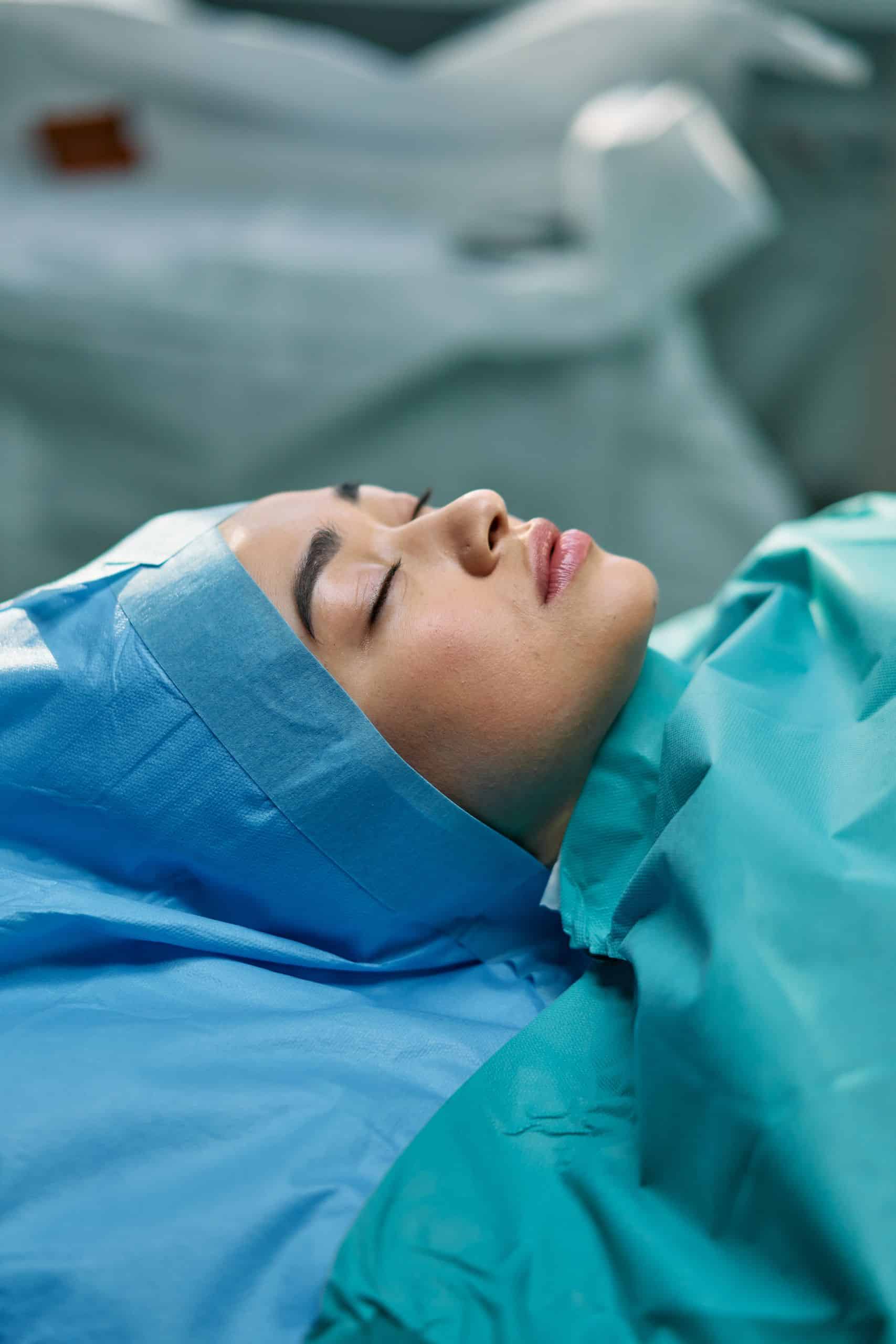
In standard LASIK, the corneal flap is created with a mechanical blade. In Femto LASIK, a femtosecond laser creates the flap instead. The laser allows for a more precise flap thickness and a more consistent cut – which reduces the risk of complications and improves the predictability of the result.
Once the flap is created, the procedure is the same as standard LASIK. An excimer laser reshapes the cornea underneath, and the flap is repositioned. Recovery is fast – most patients see clearly within 24 hours. The procedure corrects short-sightedness, long-sightedness and astigmatism within the same ranges as standard LASIK.
When Femto LASIK Is the Right Choice
Femto LASIK is a good option for patients who are suitable for LASIK but want the added precision and safety of a laser flap creation. It is widely available at quality eye clinics and is considered the standard version of LASIK at most reputable centres today.
It is not suitable for patients with thin corneas, certain corneal conditions, or those who would be better served by a flapless procedure like SMILE. A thorough pre-assessment determines which method is appropriate – and a quality clinic will always present the options honestly rather than defaulting to one procedure for everyone.
iLASIK and iDesign Wavefront – Personalised Treatment
iLASIK combines Femto LASIK with wavefront-guided laser treatment. The wavefront analysis maps the unique optical characteristics of each eye in detail – capturing imperfections that standard prescriptions do not measure. The laser treatment is then customised to that specific eye rather than based on the prescription alone.
iDesign is the diagnostic system used for this analysis. It measures the eye at thousands of points and creates a highly detailed map that guides the laser. The result is a more personalised treatment that can improve not just clarity but also contrast sensitivity and night vision quality. It is particularly relevant for patients with higher prescriptions or those who have previously had unsatisfactory results with standard procedures.
PRK and LASEK
PRK, LASEK and iLASIK are three methods that share one thing in common: they do not create a corneal flap. This makes them suitable for patients who are not candidates for LASIK or Femto LASIK – and in some cases they offer advantages even for patients who could choose either.
PRK and LASEK – The Older Methods That Still Have Their Place
PRK – Photorefractive Keratectomy – is the oldest laser eye procedure still in use. The surface layer of the cornea is removed before the laser reshapes the tissue underneath. There is no flap. Recovery takes longer than LASIK – typically three to five days of blurred vision – but the long-term result is comparable.
LASEK is a variation of PRK that preserves the surface layer rather than removing it entirely. The recovery profile is similar. Both methods are particularly suited for patients with thin corneas or those in professions where a flap would be a risk – military, contact sports, or physically demanding work.
When PRK and LASEK Are the Better Choice
PRK and LASEK are worth considering in specific situations where LASIK or SMILE are not suitable or not recommended. The most common reason is a thin or irregular cornea – since no flap is created, less corneal tissue is affected and the procedure remains safe where LASIK would not be.
Patients in certain professions or with active lifestyles that involve contact sports, combat training or physically demanding work are often better served by a flapless procedure. With LASIK, a flap can theoretically be displaced by impact years after the procedure. With PRK or LASEK that risk does not exist.
Some patients who have previously had LASIK and need a touch-up treatment are also candidates for PRK when there is insufficient corneal tissue remaining for a second flap. And for patients with mild prescriptions who prioritise long-term corneal stability over faster recovery, PRK remains a solid and proven option.

Phakic Lens Implants (ICL)
How ICL Works
The ICL is a small, flexible lens that is inserted through a tiny incision and positioned between the iris and the natural lens of the eye. It does not replace the natural lens – it works alongside it. The procedure takes around 20 to 30 minutes per eye and is reversible, which distinguishes it from laser procedures that permanently alter the cornea.
ICL corrects short-sightedness up to around -18 dioptres and astigmatism – a significantly wider range than laser procedures. It is particularly relevant for patients with high prescriptions, thin corneas, or dry eyes that make laser treatment unsuitable.
Who ICL Is Suitable For
ICL is suitable for adults between roughly 21 and 45 years of age whose prescription is stable. It is one of the preferred options for patients with high myopia who fall outside the range of laser correction, and for patients who have been told they are not suitable for LASIK or SMILE.
The reversibility of the procedure is a significant advantage for some patients – the lens can be removed or replaced if needed. Results are immediate and the quality of vision reported by ICL patients is consistently high, including for night vision and contrast sensitivity.
A thorough pre-assessment including measurement of the anterior chamber depth is required to confirm suitability. Not every eye has sufficient space for the implant – this is determined during the assessment.

Intraocular Lens Treatment
Multifocal Lenses – Bifocal and Trifocal
Bifocal lenses correct vision at two distances – near and far. Trifocal lenses add an intermediate distance, which covers computer and screen work. For most patients over 45 who want to be free of glasses entirely, trifocal lenses are the more complete solution.
The procedure is the same as cataract surgery – the natural lens is removed and replaced with the artificial lens. It is permanent and not reversible. Results are immediate and the artificial lens does not age – meaning presbyopia does not return after treatment.
Trifocal lenses are particularly relevant for patients with both short-sightedness or long-sightedness and the beginning of age-related near vision loss. One procedure addresses all of it. For patients over 50 with significant long-sightedness, this is often the most practical and effective path forward.
What to Consider Before Choosing Intraocular Lens Treatment
Intraocular lens treatment is a more significant procedure than laser eye surgery. It involves entering the eye rather than reshaping its surface. At quality clinics with experienced teams it is a routine procedure – but the choice of lens and the precision of the measurement beforehand are critical to a good result.
Not every patient adapts equally well to multifocal lenses. Some experience halos or glare around lights, particularly at night, especially in the first months after the procedure. This improves for most patients as the brain adapts. A thorough discussion of expectations before the procedure helps avoid disappointment.
For patients considering this treatment abroad, the pre-assessment and the procedure itself can be done in one trip. Follow-up is manageable remotely for most patients, with a local eye specialist handling routine checks at home.
There are also additional lens options beyond the standard replacement procedure – including additive lenses that work alongside the natural lens. This is a developing area worth exploring in a separate conversation.
Am I a Suitable Candidate for Eye Laser Treatment?

What the Pre-Assessment Covers
A thorough pre-assessment includes measurement of corneal thickness and shape, eye pressure, pupil size, tear film quality and overall eye health. Wavefront analysis maps the unique optical characteristics of the eye in detail. These measurements together determine which procedure is safe and likely to produce a good result.
The assessment also looks at the stability of the prescription. A prescription that is still changing – common in younger patients – means the timing is not right for a permanent procedure. Waiting until the prescription has been stable for at least one to two years is standard practice at responsible clinics.
When a Clinic Should Say No
A clinic that offers a procedure to every patient who walks in is not a clinic to trust with your eyes. There are genuine contraindications – thin corneas, certain corneal conditions like keratoconus, autoimmune conditions, pregnancy, and unstable prescriptions among them.
I experienced this personally. When I visited an eye clinic in Turkey over 20 years ago, they assessed my eyes and told me the timing was not right for my situation. They could have sold me a procedure. They did not. That honesty stayed with me – and it is exactly what you should expect from any clinic you consider.

Risks and What to Watch Out For
Common Side Effects and How Long They Last
Dry eyes are the most common side effect after laser treatment, particularly after LASIK. The corneal nerves are affected during the procedure and take time to regenerate. Most patients experience some dryness in the first weeks to months. SMILE preserves more corneal nerves than LASIK, which is one reason it is preferred for patients who already have dry eye tendencies.
Halos and glare around lights at night are common in the first weeks after any procedure and improve for most patients as the eye heals and the brain adapts. With multifocal lenses this adjustment period can take longer – typically three to six months.
Temporary blurred vision, light sensitivity and mild discomfort in the first days are normal and expected regardless of the method chosen.
Serious Risks and How to Minimise Them
Serious complications are rare but worth understanding. Infection, corneal ectasia – a progressive thinning and bulging of the cornea – and significant under or overcorrection are the most relevant risks. Corneal ectasia is almost always the result of treating a patient who was not a suitable candidate – which is why the pre-assessment matters so much.
Choosing a clinic that uses current diagnostic equipment, takes the pre-assessment seriously, and does not treat patients who fall outside safe parameters is the most effective way to minimise risk. A clinic abroad that skips steps to reduce cost or time is not worth the saving.
Follow-up care after you return home is also part of risk management. Knowing who to contact if something is not right – and having a local eye specialist who will see you – adds an important layer of safety.
Costs and Planning Your Trip

What the Cost Difference Looks Like
Eye laser treatment costs a fraction abroad of what the same procedure costs in Western Europe. The saving depends on the method – SMILE and ICL cost more than standard LASIK everywhere, but the relative difference between home and abroad remains significant across all methods.
What matters is understanding what is included. A transparent clinic provides a full cost breakdown after the pre-assessment – not a headline price before they know anything about your eyes. Pre-assessment, the procedure itself, medication, and follow-up consultations should all be covered. Ask specifically what happens if a touch-up is needed after you return home.
How to Plan the Trip
Most laser procedures require one visit of two to three days. The pre-assessment and procedure can often be done on consecutive days. Recovery is fast – most patients see clearly within 24 to 48 hours and can fly home the following day.
For ICL and intraocular lens procedures, the timeline is similar. One visit is usually sufficient, with remote follow-up handled from home.
Many destinations that are well set up for eye treatment are also genuinely pleasant places to spend a few days. Combining the procedure with a short break makes the trip easier and more enjoyable – and nobody needs to know why you are really there.
If you want honest guidance on which procedure makes sense for your situation and where to go, that is exactly what a consultation is for.
Ready to See Clearly – Without Overpaying at Home?
Eye laser treatment and lens procedures are among the most life-changing things you can do for yourself. Most people pay out of pocket. That makes where you go – and who you trust with your eyes – entirely your decision.
I know what it feels like to walk into a clinic abroad and be genuinely impressed by what is possible. I also know what honest guidance looks like – a clinic that assesses carefully and sometimes says no is worth more than one that treats everyone.
Want to find out more about the clinics I know in Turkey? Book a short intro call and I will tell you what I know.
Not sure yet? That is completely fine – the call is no-obligation and a good place to start.