
Hair Clinics Abroad
Turkey is the global destination for hair transplants. The choice is overwhelming – hundreds of clinics, aggressive marketing, and most people end up where the advertising is loudest. I know a different kind of clinic. Personally visited, small, and focused on one patient at a time.
Why Turkey – and Why It Matters Which Clinic You Choose
Turkey performs more hair transplants than any other country in the world. The combination of experienced surgeons, modern clinics, and significantly lower costs than in most countries worldwide has made it the destination for over one million patients every year.
But the market is vast and unregulated in many ways. The difference between a clinic that treats 50 patients a day and one that focuses on a handful is enormous – in the experience, the attention, and the results. Knowing which is which is not something you can find out from a website or a review platform.
I have visited clinics in Turkey personally. I know what happens behind the scenes. And I work with one clinic in Antalya that I would send my own friends and family to.

Why Turkey for Hair Transplants
What Makes Turkey Different
The cost difference is real. A hair transplant that costs 10,000 to 15,000 euros in Western Europe or the US can be done in Turkey for a fraction of that price – without compromising on technique or equipment. Clinics in Turkey perform more procedures per year than almost anywhere else, which translates into a level of routine and experience that is hard to match.
The two main destinations are Istanbul, with the highest concentration of clinics, and Antalya, which tends to offer a quieter, more personal setting. Both are well-connected and easy to reach from most European cities.
The Problem With the Market
Over 700 clinics offer hair transplants in Turkey. Most of them market aggressively – social media, before and after photos, celebrity endorsements, all-inclusive packages. The result is that most patients end up where the advertising is loudest, not where the care is best.
What is hard to see from the outside is the quality of the team performing the procedure. Finding certified, experienced specialists with years of consistent results is not straightforward. There is one clinic and team I have known personally for almost 20 years – and the references have always been excellent. That kind of track record is what actually matters, not the size of the marketing budget.
DHI vs FUE: The Methods Explained
FUE – Widely Available but Increasingly Outdated
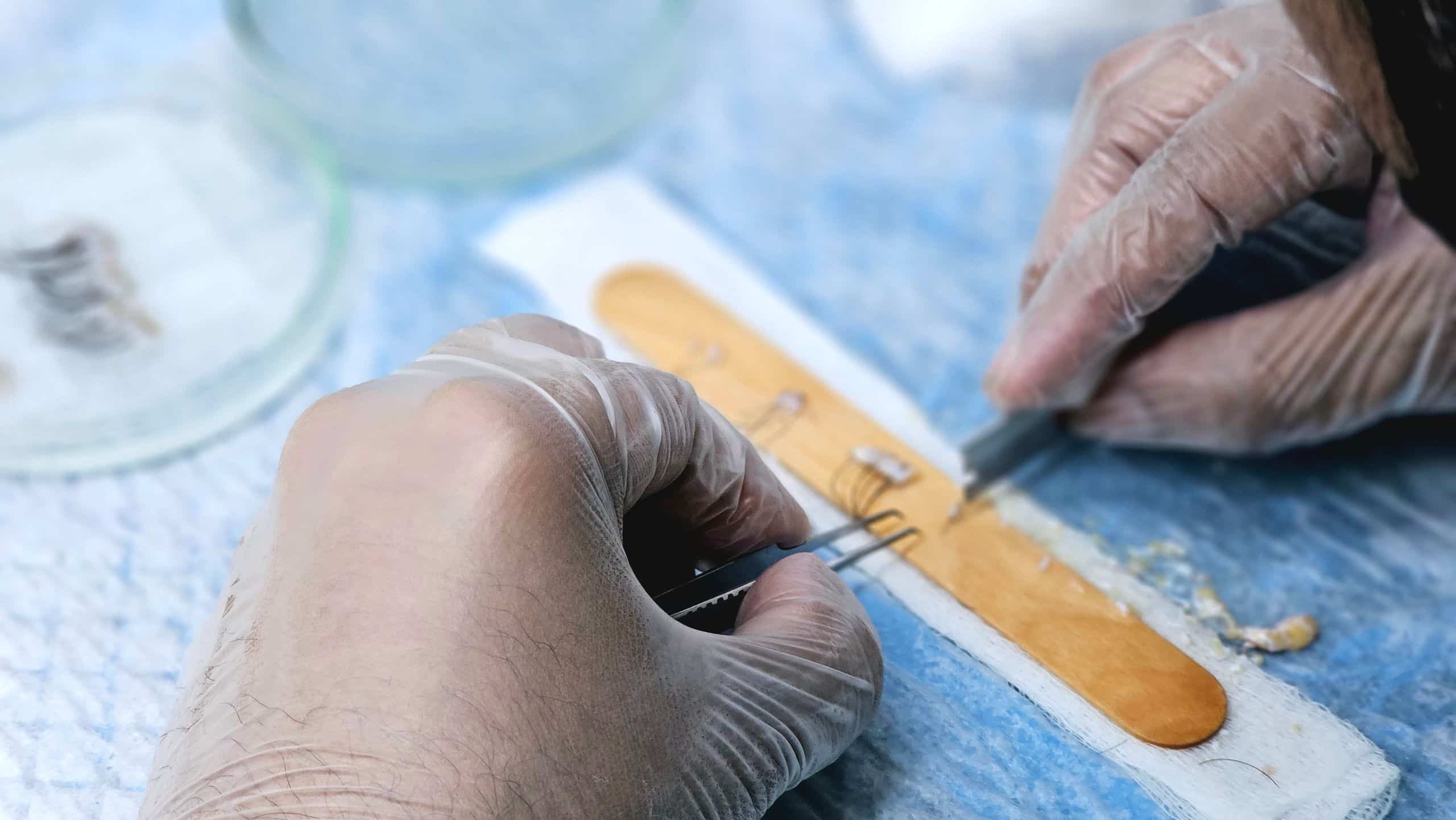
FUE – Follicular Unit Extraction – is still offered by many clinics, particularly those working at high volume. Follicles are extracted one by one from the donor area and then implanted into small incisions made separately in the recipient area. The technique is well-established and works, but the two-step process – first creating incisions, then implanting – leaves more room for variation in quality and precision.
A variation called Sapphire FUE uses sapphire-tipped blades instead of steel for the incisions, which is said to reduce tissue damage. It is a step forward from standard FUE, but still not the same level of precision as DHI.
DHI – The Method That Quality Clinics Use
DHI – Direct Hair Implantation – uses a specialised pen-like tool called a Choi implanter. Follicles are extracted and implanted directly in one step, without creating incisions first. This allows precise control over the angle, direction and depth of each hair – which is what produces a natural-looking result.
DHI is more demanding and requires a highly trained team. It is particularly well-suited for adding density to areas that still have existing hair. Quality clinics that invest in their team work exclusively with DHI. It takes longer and costs more to do properly – which is exactly why not every clinic offers it at the standard it requires.

Hair Transplants for Women: A Different Situation
Hair loss in women is more common than most people think – and far less talked about. The causes are different, the pattern is different, and the treatment requires a different approach than for men. Not every clinic that offers hair transplants has experience with female patients.
Why Women Lose Hair and What Can Be Done
Female hair loss is rarely the same as male pattern baldness. The most common causes are hormonal changes, thyroid conditions, nutritional deficiencies, stress, and genetic predisposition. In most cases the hair thins diffusely across the scalp rather than receding at the hairline.
This matters because a transplant alone is not always the right answer. If the underlying cause is not addressed, transplanted hair can be affected too. A thorough assessment before any procedure is essential – including blood work and a detailed analysis of the donor area.
Where a transplant does make sense, DHI is particularly well-suited for women. It allows density to be added without shaving the full head, which is a significant practical consideration for most female patients. Eyebrow transplants follow a similar principle – precise implantation angle and direction are everything, and the margin for error is small.
What to Look For in a Clinic as a Female Patient
Experience with female patients is not something every clinic has. The assessment process, the treatment plan, and the follow-up all need to account for the specific causes and patterns of female hair loss.
One factor that is rarely mentioned: patients with African hair structure require a specialist with specific training and experience. The hair texture and follicle structure are different, and not every clinic is equipped to handle this correctly. It is worth asking directly before booking.
A clinic worth considering will ask detailed questions about medical history, hormonal status, and previous treatments before making any recommendation. Women are a growing segment of hair transplant patients – the number of procedures has been rising steadily every year. But it still requires specialist knowledge, and the right clinic knows that.
Beard Transplants: Fuller Results for Men

How It Works and Who It Is For
Follicles are taken from the donor area – usually the back of the head – and implanted into the beard area. DHI is the preferred method here too, because the angle and direction of each hair are critical for a natural result. Facial hair grows differently from scalp hair, and an experienced team knows how to work with that.
Beard transplants are suitable for men with patchy growth, thin coverage, or areas affected by scarring. The procedure is also used to define the edges of a beard or to fill in a moustache. Results are permanent and the transplanted hair behaves like natural beard hair once fully grown.
What to Expect During and After the Procedure
The procedure takes several hours depending on the number of grafts needed. Recovery is straightforward – some redness and small scabs for the first week, after which the area heals quickly. Transplanted hairs fall out after two to three weeks, which is normal. New growth starts after three to four months and the final result is visible after around a year.
One practical point: beard transplants require shaving the donor area at the back of the head. For men with longer hair this is worth planning around. Most patients take a few days off work after the procedure. Beyond that, normal daily activities can resume quickly.
African Hair Transplants: A Procedure That Requires Specialist Knowledge
Patients with African hair structure are a specific case in hair transplantation. The follicle shape, the curl pattern, and the skin characteristics require a different approach – and specialist training that not every clinic has. Choosing a clinic without this experience carries real risks.
Why African Hair Is Different
African hair follicles are curved rather than straight. This affects both the extraction and the implantation process. Extracting a curved follicle requires a different technique to avoid transection – meaning cutting through the follicle and damaging it before it can be implanted.
The curl pattern also influences how the transplanted hair will grow and how the result will look. Planning the angle and direction of implantation requires specific knowledge of how African hair behaves – knowledge that comes from experience with this hair type specifically, not from general hair transplant training.
What to Ask Before Booking
Not every clinic that accepts patients with African hair has the experience to treat them well. It is worth asking directly how many procedures the team has performed on patients with this hair type, and requesting to see results specifically from African patients – not just general before and after photos.
The clinic I work with in Turkey has specific experience with African hair and the team has the training to handle both the extraction and implantation correctly. This is one of the reasons I work with them and not with a larger volume clinic.

Hair Transplant Success Rates: What the Numbers Actually Mean
What a 95 Percent Success Rate Means
The success rate refers to graft survival – meaning how many of the transplanted follicles take root and produce hair. At a quality clinic with an experienced team, this number is consistently above 95 percent. The procedure itself, when done correctly, is reliable.
What the number does not cover is the aesthetic result. A graft can survive and still produce a result that looks unnatural if the angle, direction or density was not planned carefully. This is why the skill and experience of the team matters as much as the technical success rate.
What Influences the Final Result
Several factors play a role beyond the procedure itself. The quality and density of the donor area determines how many grafts are available and how natural the result can look. Age, general health, and whether hair loss is still progressing all affect the long-term outcome.
Post-procedure care is also significant. Following the aftercare instructions carefully in the first weeks directly influences how well the grafts settle. Additional treatments like PRP – which uses the patient’s own blood to support healing and growth – can further improve the result and are offered as a standard add-on at quality clinics.
The full result takes time. Transplanted hairs fall out after two to three weeks. New growth starts after three to four months. The final result is visible after around twelve months – sometimes longer.
Risks and What Can Go Wrong
A hair transplant is a medical procedure. Like any procedure, it carries risks. Most clinics do not talk about this openly – which is exactly why it is worth covering here. Knowing what can go wrong helps you choose the right clinic and set realistic expectations.
Medical Risks and How to Minimise Them
The most common complications are infection, excessive scarring, and poor graft survival. These are rare at clinics with proper hygiene standards and experienced teams – but they do happen, particularly at clinics that cut corners on sterilisation or rush through multiple patients in a day.
Shock loss is another factor worth knowing about. This refers to temporary hair loss in the area surrounding the transplant, caused by the stress of the procedure on existing hair follicles. It looks alarming but is usually temporary. An experienced team will explain this in advance and plan the procedure to minimise it.
Allergic reactions to anaesthesia or medication are rare but possible. A proper pre-treatment assessment including blood work identifies risk factors before the procedure begins.
What Bad Results Look Like and How to Avoid Them
The most visible sign of a poor result is an unnatural hairline – pluggy, too uniform, or placed at the wrong angle. This is almost always the result of insufficient planning or an inexperienced team, not a technical failure of the procedure itself.
Overharvesting the donor area is another risk. Taking too many grafts from one area can leave permanent thinning at the back of the head. A responsible clinic assesses the donor area carefully and works within its limits.
The best protection against a bad result is choosing carefully before you book. Asking about the team’s experience, requesting to see real patient results at twelve months, and understanding exactly what is included in the aftercare are all steps that separate a well-run clinic from one that is not.
What a Quality Clinic Looks Like
Certifications and Standards Worth Checking
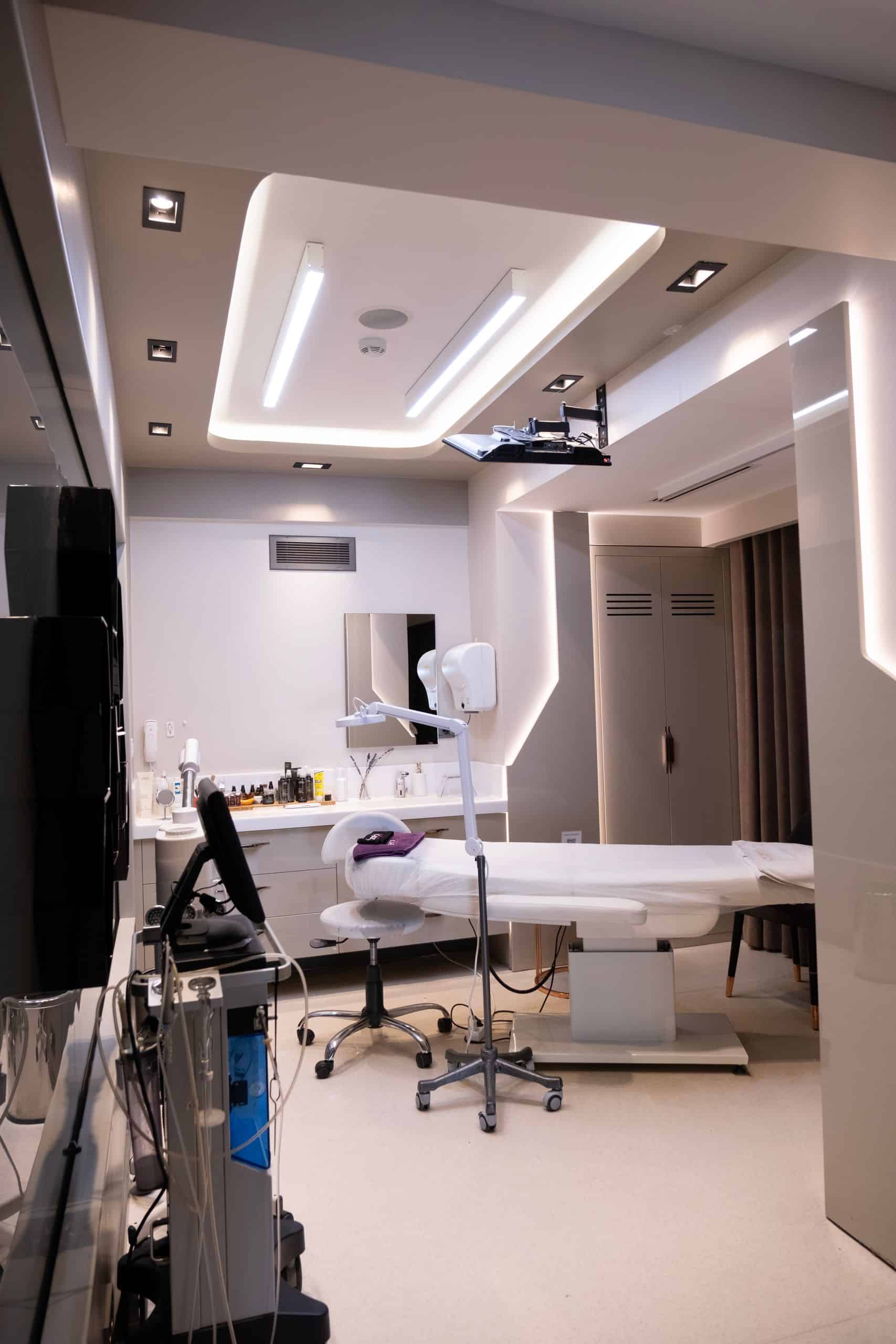
A clinic worth considering holds certification from the Turkish Ministry of Health. This confirms that the infrastructure and medical standards meet official requirements. TÜV certification is an additional quality marker that some clinics have – it verifies quality management processes independently.
Beyond certifications, the pre-treatment assessment tells you a lot. A quality clinic does not quote a price before analysing your donor area, your hair structure, and your medical history. If a clinic gives you a price within minutes of first contact, that is a signal worth noting.
What Personal Care Actually Means
In large volume clinics, patients rarely spend significant time with the doctor. The assessment may be brief, and the procedure is carried out by a team working through a full schedule. This is not necessarily wrong – but it is a different experience from a clinic that limits the number of procedures per day and ensures the doctor is present and involved throughout.
Personal care means knowing your name, understanding your specific situation, and being available for questions before, during and after the procedure. It is harder to find than the marketing suggests – but it exists.
Hair Clinics Abroad: The Procedure Step by Step

From Arrival to End of Procedure
The day starts with a final consultation and hairline planning with the doctor. This is where the design is confirmed and any last questions are answered. The donor area is then shaved and prepared, and local anaesthesia is administered. Most quality clinics today use a needle-free or minimally painful anaesthesia method – the first few minutes are the most uncomfortable part of the entire day.
Extraction comes next. Follicles are removed one by one from the donor area. Depending on the number of grafts this takes one to two hours. The follicles are then prepared and checked by the team before implantation begins.
Implantation with DHI is done using the Choi implanter pen. Each follicle is placed individually at the correct angle and direction. This is the most time-intensive part of the procedure. A full session of 3,000 to 5,000 grafts typically takes six to eight hours in total.
The Days After and What to Expect
The first night the scalp is bandaged. The following morning the first wash is done at the clinic. Most patients fly home the day after the procedure. The clinic provides detailed aftercare instructions, medication, specialist shampoo and a care kit for the first weeks.
Transplanted hairs fall out after two to three weeks. This is normal and expected. New growth begins after three to four months. PRP treatment the day after the procedure supports healing and is included as standard at quality clinics. The final result is visible after twelve months.

Costs and What Is Included
What Affects the Price
Most clinics in Turkey price by number of grafts or offer a flat rate up to a maximum number. A procedure of up to 5,000 grafts at a quality clinic in Turkey starts at around 3,750 euros – significantly less than the same procedure would cost in Western Europe or the US.
What influences the final cost is the method used, the number of grafts needed, and what the package includes. DHI requires more time and a more experienced team than FUE, which is reflected in the price. A lower price does not automatically mean worse quality – but a price that seems unusually low for a DHI procedure at a reputable clinic is worth questioning.
What a Complete Package Should Include
A transparent clinic includes the following as standard: pre-treatment blood panel and scalp analysis, the procedure itself, local anaesthesia, VIP transfer, at least one night in a hotel, PRP treatment the day after, care products and medication for the recovery period, and follow-up support for at least twelve months.
Add-ons like additional PRP sessions, laser therapy, or specialised serums and dermarollers are offered by some clinics and can support the result – but they are extras, not essentials. Ask for a full breakdown before signing anything, and make sure you understand exactly what happens if you need follow-up care after returning home.
Planning Your Trip to Turkey

How Long You Need and What the Timeline Looks Like
Most patients arrive the day before the procedure. The transplant takes place the following day and lasts six to eight hours depending on the number of grafts. The morning after, the first wash is done at the clinic. Most patients fly home the same day or the day after that.
The total trip is therefore two to three nights. Short enough to fit into a long weekend. Istanbul and Antalya are both well connected from most European cities with direct flights. Travel time from most of Europe is two to four hours.
Follow-up is done remotely – photo updates, online consultations, and direct contact with the clinic team. A physical follow-up visit is not necessary in most cases.
Discretion and Practical Planning
Most patients do not tell people at home why they are travelling. That is entirely possible with a procedure of this length. A long weekend away raises no questions. The visible signs in the first week – some redness and small scabs – can be managed with a hat or by timing the trip around a quieter period at work.
Planning the trip around a few extra days of rest makes the recovery more comfortable. Turkey offers good options for this – warm weather, easy accommodation, and a relaxed pace that suits the recovery period well. The practical coordination – transfer, hotel, clinic appointments – is handled by the clinic for international patients as standard.
Ready to Find the Right Clinic?
The hair transplant market in Turkey is large and not easy to navigate. Most people spend weeks researching and still end up making a decision based on marketing rather than real knowledge.
I have been working with a clinic in Turkey for almost 20 years. I know the team, I know the results, and I know what questions to ask before you commit to anything.
If you want an honest assessment of whether a hair transplant makes sense for your situation, and where to go, that is exactly what a consultation is for.
Not sure if a consultation is the right next step? We can get to know each other in a short, no-obligation 15-minute intro call first.