
Plastic Surgery Clinics Abroad. I Have Been in That Chair Myself.
Turkey has become one of the leading destinations for plastic surgery in the world. The market is large, the options are many, and the quality varies enormously. I know the difference – as someone who has had surgery herself, and as someone who has visited clinics in Turkey personally.
Why I Know This Topic From the Inside
I had my nose done when I was young. It cost me several months of savings – money my friends spent on cars instead. Plastic surgery was not a topic anyone talked about back then. Nobody was doing it. I was the first.
I wanted a different nose. That was it. No apology, no long explanation. I saved up, I did it, and I never regretted it.
What happened next was interesting. One by one, my friends started asking questions. Then they started booking. Ears, liposuction, breast augmentation. Once one person does it and comes back looking good, the conversation changes.
Years later, when I was living in Turkey, I started visiting clinics. Not as a patient this time – as someone who wanted to understand the market. Turkey had become one of the leading destinations for plastic surgery, and I wanted to see for myself what was actually being offered and how.
What I found was exactly what I had learned to expect by then: a wide range of quality. Some clinics were impressive. Others were not. The difference was rarely visible from the outside.
That is what 20 years of visiting clinics teaches you. And it is what I bring to a consultation.

Why Plastic Surgery Clinics Abroad
What Makes Turkey a Strong Destination
Turkish plastic surgeons perform a high volume of procedures every year. That volume translates into experience – particularly for the most common procedures like rhinoplasty, breast augmentation and liposuction. Istanbul and Antalya are the two main destinations, with clinics that are well set up for international patients including multilingual staff and structured packages.
The cost difference compared to Switzerland or Western Europe is significant across all procedures. What matters is understanding that lower cost does not automatically mean lower quality – but it does mean you need to look carefully at what is included and who is performing the procedure.
What Has Not Changed in 20 Years
When I started visiting clinics in Turkey, the market was already large and uneven. That has not changed. What has changed is the volume – more clinics, more marketing, more patients, and more pressure to book quickly.
The fundamentals of choosing well remain the same. Who is the surgeon, what is their training and experience, how many procedures do they perform per year, and what does the aftercare look like. A clinic that cannot answer these questions clearly is not a clinic worth considering.
Rhinoplasty Abroad: Nose Surgery in Turkey

What Rhinoplasty Can and Cannot Do
Rhinoplasty reshapes the nose – the bridge, the tip, the nostrils, or a combination. It can correct a bump, refine the tip, improve symmetry, or address breathing problems caused by a deviated septum. What it cannot do is produce someone else’s nose on your face. The result needs to work with your specific facial structure.
Digital imaging before the procedure allows you to see a simulation of the expected result. This is a useful tool for communication between patient and surgeon – but it is a guide, not a guarantee. Understanding the difference matters.
Recovery takes one to two weeks before most swelling subsides. The final result is not visible for up to a year as the tissue settles. This is one of the most important things to know before booking – patience is part of the process.
What to Look For in a Rhinoplasty Surgeon
Rhinoplasty requires a surgeon with specific training and a large portfolio of results. Before and after photos are relevant here – not as marketing material but as evidence of consistency and natural-looking outcomes across different face shapes and ethnicities.
Ask how many rhinoplasty procedures the surgeon performs per year, whether they specialise in the procedure or perform it alongside a wide range of other surgeries, and what the revision rate looks like. A surgeon confident in their work will answer these questions directly.
I had my own nose done decades ago – long before any of this was a topic of conversation. I know what it means to want a change and to commit to it. And I know what a good result looks like.

Breast Augmentation Abroad
Breast augmentation is one of the most commonly performed plastic surgery procedures worldwide. Turkey is a well-established destination for this treatment, with experienced surgeons and significantly lower costs than Western Europe. As with any surgical procedure, the choice of surgeon and clinic matters more than the destination.
What Breast Augmentation Involves
Breast augmentation uses implants to increase size, improve shape or restore volume. The two main implant types are silicone gel and saline. Silicone gel implants are the most widely used today – they feel more natural and come in a range of shapes and profiles. The choice of implant depends on the individual anatomy, the desired result and the surgeon’s assessment.
The procedure takes one to two hours under general anaesthesia. Recovery involves one to two weeks of limited movement and several weeks before returning to full physical activity. Most patients return to work within one to two weeks.
Implant placement – above or below the muscle – and the incision location are decisions made together with the surgeon based on anatomy and preference. These details affect both the result and the recovery, and a quality surgeon will explain the options clearly.
What to Ask Before Booking
Implant brand matters. European and American brands like Mentor, Motiva or Sientra have established safety records and long-term data behind them. Ask specifically which brand the clinic uses and why.
Lifetime of implants is also worth discussing. Most modern implants are not lifetime devices – they may need to be replaced after 10 to 20 years. Understanding this before you commit avoids surprises later.
A quality surgeon will assess your anatomy carefully before recommending a size or type. A surgeon who agrees to whatever size you request without a thorough assessment is not a surgeon to trust with this decision.
Liposuction and Body Contouring

What Liposuction Can and Cannot Do
Liposuction removes localised fat deposits from specific areas – abdomen, thighs, flanks, arms, back or chin. It is not a weight loss procedure. It works best for patients who are close to their ideal weight but have stubborn areas that do not respond to lifestyle changes.
The most common technique today is tumescent liposuction, where the area is filled with a solution before fat is removed. Vaser liposuction uses ultrasound energy to break up fat cells before removal, which can produce more precise contouring results and is particularly suited for areas requiring definition rather than simple volume reduction.
Results are permanent in the sense that fat cells are removed – but remaining fat cells can still expand with weight gain. Maintaining a stable weight after the procedure is important for lasting results.
Body Contouring and Combination Procedures
Body contouring goes beyond simple fat removal. Hi-definition liposuction – also called HD lipo – uses Vaser technology to sculpt the body and enhance muscle definition. It requires a surgeon with specific training and experience in the technique.
Liposuction is frequently combined with other procedures – a tummy tuck, breast augmentation or a Brazilian Butt Lift. Combining procedures in one session reduces overall recovery time and cost. It also increases the complexity and the demands on the body – which is why patient selection and surgical planning matter significantly for combination procedures.
Tummy Tuck Abroad
A tummy tuck – or abdominoplasty – is one of the most requested body procedures in Turkey. It is particularly common among women after pregnancy or significant weight loss. The procedure addresses loose skin and separated abdominal muscles that cannot be corrected through exercise alone.
What a Tummy Tuck Involves
A tummy tuck removes excess skin and fat from the lower abdomen and tightens the abdominal muscles. The result is a flatter, firmer stomach contour. It is not a substitute for weight loss – it is a reshaping procedure for patients whose weight is already stable.
There are different types depending on the extent of correction needed. A full tummy tuck addresses the entire abdomen and repositions the navel. A mini tummy tuck focuses on the area below the navel and is suitable for patients with less excess skin. The choice depends on anatomy and the degree of correction needed.
Recovery is more demanding than liposuction alone. Most patients need two to three weeks before returning to light activity and six to eight weeks before resuming full physical activity. Planning enough recovery time before flying home is essential.
Who Is a Suitable Candidate
A tummy tuck is suitable for patients who have completed their family – pregnancy after the procedure can undo the results. Weight should be stable for at least six months before the procedure. Smokers are at significantly higher risk of complications and most surgeons require smoking cessation before operating.
The scar is permanent – running horizontally across the lower abdomen. A quality surgeon places it as low as possible so it falls within the bikini line. Discussing scar placement and what to expect long-term is an important part of the pre-operative consultation.
Facelift and Anti-Aging Procedures Abroad
What a Facelift Can Do
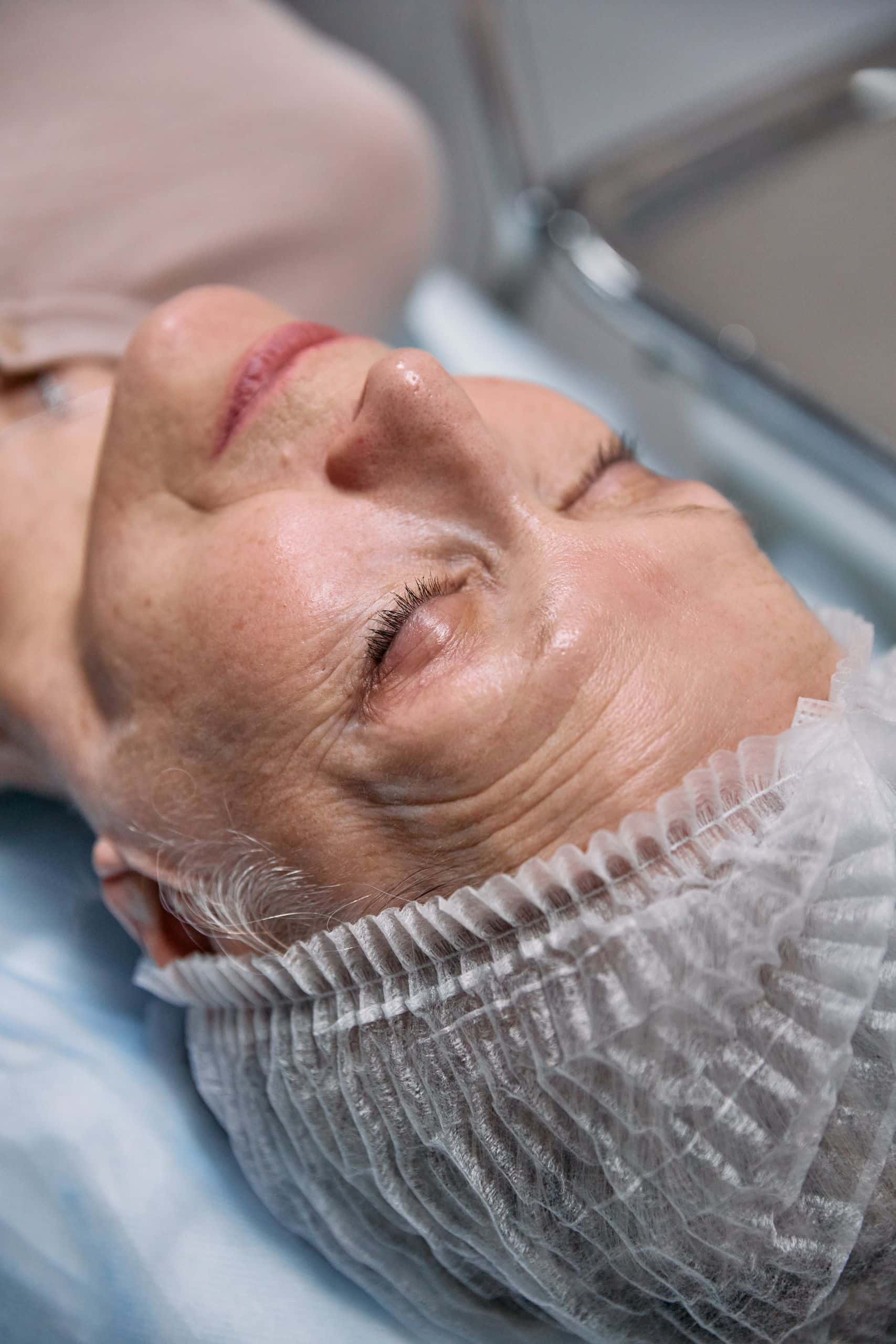
A facelift – or rhytidectomy – addresses sagging skin and deep lines in the lower face and neck. It repositions the underlying tissue and removes excess skin, restoring a more youthful contour. It does not stop the ageing process – but it turns back the clock in a way that no non-surgical treatment can replicate.
Modern facelift techniques work on the deeper layers of the face rather than simply pulling the skin. This produces a more natural result and longer-lasting outcome. A deep plane facelift, for example, repositions the muscle and fat layers rather than just the skin – the result looks less operated and more refreshed.
Recovery involves two to three weeks of visible bruising and swelling. Most patients are presentable in public after two to three weeks and see the final result after three to six months.
Non-Surgical Anti-Aging Alternatives
Not every patient needs or wants surgery. Non-surgical treatments like botox, fillers, thread lifts and laser resurfacing address early signs of ageing without the recovery time of a facelift. Many clinics in Turkey offer these alongside surgical procedures.
The honest answer is that non-surgical treatments have limits. They work well for prevention and mild correction – but they cannot replicate what a surgical facelift achieves for significant sagging or volume loss. A quality clinic will tell you which approach is realistic for your situation rather than selling you a non-surgical package when surgery would give a better result.

Eyelid Surgery Abroad
Upper and Lower Eyelid Surgery
Upper eyelid surgery removes excess skin that droops over the eye. In more advanced cases this excess skin can actually affect vision – making the procedure not just cosmetic but functional. Lower eyelid surgery addresses bags and puffiness under the eyes, either by removing or redistributing fat and tightening the skin.
Both procedures can be done together or separately depending on what is needed. The procedure is done under local anaesthesia in most cases – sometimes combined with light sedation. It takes one to two hours and recovery involves one to two weeks of bruising and swelling. Most patients are back to normal activity within ten days.
Results are long-lasting – upper eyelid surgery typically holds for ten years or more. Lower eyelid results are generally permanent.
What to Watch Out For
Eyelid surgery requires precision. The margin for error is small – too much skin removed from the upper eyelid can make it difficult to close the eye fully. A surgeon with specific experience in eyelid procedures and a portfolio of results is essential.
Asian eyelid surgery – creating or enhancing an upper eyelid crease – is a specific variation that requires different techniques and cultural sensitivity. Not every clinic has experience with this. It is worth asking directly if this is relevant to your situation.
Combining eyelid surgery with a facelift or brow lift is common and can produce a more complete facial rejuvenation result in a single procedure and recovery period.
Brazilian Butt Lift (BBL) Abroad

How BBL Works
Fat is first removed from areas where it is not wanted – typically the abdomen, flanks or thighs – using liposuction. The fat is then processed and injected into the buttocks to add volume and shape. Because the transferred fat is the patient’s own tissue, there is no risk of implant rejection.
Not all transferred fat survives. Typically 60 to 70 percent of the transferred fat remains permanently. The rest is reabsorbed by the body in the weeks after the procedure. The final result is visible after three to six months once swelling has resolved and the surviving fat has settled.
Recovery requires avoiding sitting or lying directly on the buttocks for two to three weeks – a specialised pillow is used during this period. This is one of the most important aftercare requirements and directly affects how much fat survives.
Safety and What to Watch Out For
BBL has historically had a higher complication rate than most other aesthetic procedures. The main risk is fat embolism – fat entering the bloodstream – which can be life-threatening. This risk is directly related to the injection technique used. Surgeons who inject fat only into the subcutaneous layer rather than the muscle have significantly reduced this risk.
Choosing a surgeon with specific BBL experience and a clear protocol for safe injection depth is not optional – it is the most important factor in this procedure. A clinic that cannot explain their safety protocol in detail is not a clinic to consider for this specific treatment.
The procedure also requires sufficient donor fat. Patients with very low body fat may not be suitable candidates – the pre-assessment determines this.

Risks and What to Watch Out For
General Risks Across All Procedures
Infection, bleeding, scarring and anaesthesia reactions are risks that apply to any surgical procedure. At accredited clinics with proper protocols these complications are rare – but they exist and a responsible clinic will discuss them openly before you sign anything.
Unsatisfactory results are also a risk worth acknowledging. Asymmetry, overcorrection, undercorrection, or results that do not match expectations happen even with experienced surgeons. Digital simulations and thorough pre-operative consultations reduce this risk – but they do not eliminate it. Understanding what revision procedures involve and whether they are included in the original price is worth clarifying before you book.
Red Flags to Watch Out For
A clinic that pressures you to book quickly, offers unusually low prices without explanation, cannot tell you clearly who will perform your procedure, or skips a thorough consultation is worth walking away from.
The surgeon performing the procedure matters enormously. In some clinics the consultation is with one doctor and the surgery is performed by another. Ask specifically who will be in the operating room and what their experience is with your specific procedure.
Aftercare is the final piece. What happens if something is not right after you return home? A quality clinic has a clear answer to this question. One that does not is a risk not worth taking.
Costs and Planning Your Trip
What the Cost Difference Looks Like
Plastic surgery in Turkey costs a fraction of what the same procedure costs in Western Europe. The saving varies by procedure – rhinoplasty, breast augmentation and liposuction show some of the largest differences. What matters is understanding exactly what is included in the price.
A transparent clinic includes the surgeon’s fee, anaesthesia, the procedure itself, hospital stay, post-operative garments, medication and follow-up consultations during your stay. Implant brand, type of anaesthesia and number of nights in the clinic can all affect the final cost. Always ask for a full written breakdown before agreeing to anything.
How to Plan the Trip and Recovery
Most procedures require five to seven days on site – enough time for the procedure, the first recovery days and a follow-up check before flying home. More complex procedures or combinations may require longer. Planning enough time is not optional – flying home too early after surgery is a risk not worth taking.
Recovery continues after you return home. Arranging support for the first week back – help with daily tasks, someone to check on you – makes the recovery significantly more manageable. Some procedures require follow-up with a local doctor at home, particularly for suture removal or compression garment adjustments.
Combining the trip with a comfortable stay in a good location makes the recovery easier. Turkey offers good options for this – warm weather, easy accommodation, and a relaxed pace that suits the post-operative period well. Nobody needs to know why you are really there.
Ready to Find Out What Is Possible?
Plastic surgery is a personal decision. It took me several months of savings and a lot of courage to make mine – at a time when nobody around me was doing it. I have never regretted it.
What I have learned since then – through visiting clinics, sending clients, and watching this market for over 20 years – is that the decision itself is rarely the hard part. Finding the right clinic and the right surgeon is.
Turkey has excellent options. The market is large and not easy to navigate from the outside. I know which questions to ask and what good looks like from the inside.
Want to find out more about the clinics I know in Turkey? Book a short intro call and I will tell you what I know.
Not sure yet? That is completely fine – the call is no-obligation and a good place to start.